How Playing Strategy Games (like Starcraft, AoE) Teaches Me About Building Startups and Product Strategy (Work-in-progress)

Mom and Dad, I hope this can explain why I spent so much time playing games instead of doing my homework back then.
Embrace failure and continual improvement
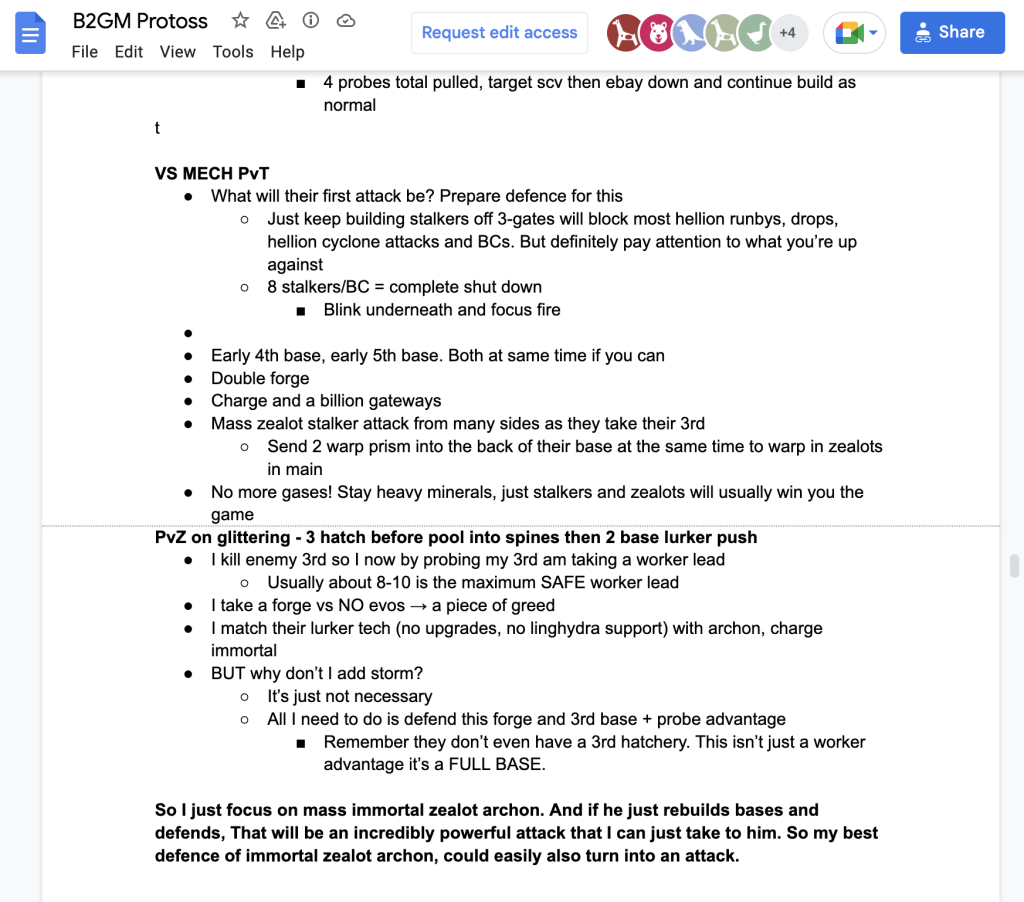
a document from PiG (Starcraft streamer)
Failure is a natural part of the learning process, especially for new players of strategy games. As you progress to higher levels, you may even find that you fail more often. However, this should not discourage you. In fact, it is through failure that you can learn the most
To become a better player, you need to take notes on your mistakes, analyze what went wrong and what you could have done differently to counter your opponents' strategy.
The key to becoming a more skilled player is to keep learning and improving. Don't be afraid to try new things and experiment with different strategies.
More information = Better decisions
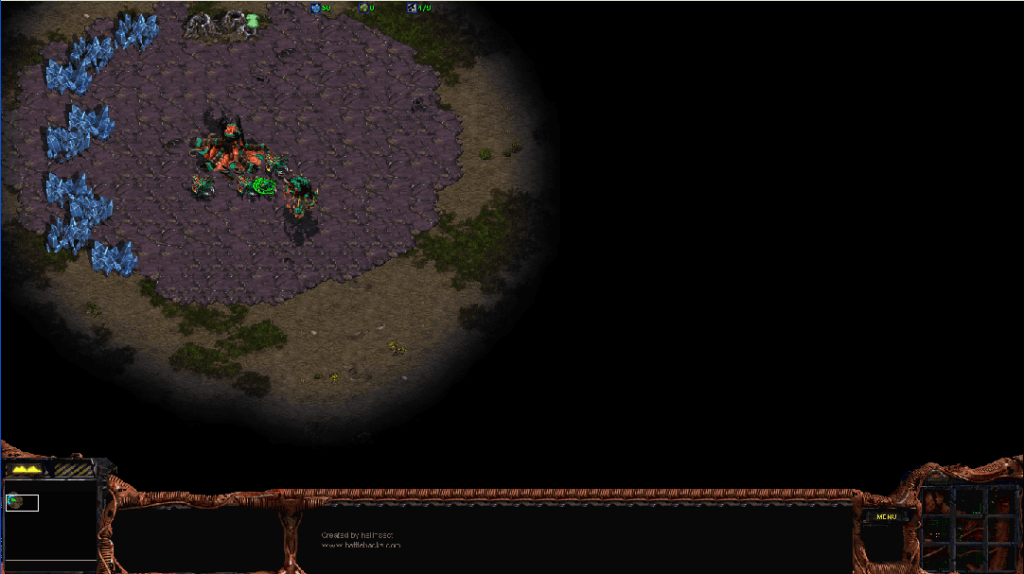
In strategy games, a fog of war usually covers the map and restricts your view of what your opponents are doing. As a result, you have no idea about enemy positions, resources, or composition.
This lack of information can make it difficult for you to decide when to attack, when to defend, and whether you should invest in your economy or army.
As players gain more information, they can make more informed decisions and develop a better understanding of their opponents' strategies.
In product: It's important to understand your customers, market, and competitors to clear the fog and make informed decisions. Without this understanding, you risk entering a too competitive market, or building products that no one needs, or having no competitive advantage
Base Expansion vs Use Case Expansion
In strategy games, expanding to new bases is one of the highest-leverage decisions you'll make — but timing and information are everything. There are three ways it goes wrong:
- Expanding too early — before your main base is secured — leaves you overextended and vulnerable to attacks you can't defend.
- Expanding too late — your opponents have already claimed the best spots and built an economic lead that's hard to overcome.
- Expanding without scouting — you pick a bad location (too far, poor terrain) and hand opponents an easy target.
The same three failure modes show up in product strategy. Expanding before Product-Market Fit fragments your focus and produces half-baked features. Waiting too long lets competitors establish the new market first. And expanding without market research lands you in a crowded space that doesn't align with your core business.
I wrote a deeper breakdown of each pitfall and its product equivalent here: Product Strategy vs Video Games: Expansion.